
Understanding Sports Broadcasting Basics
Definition and Importance of Sports Broadcasting
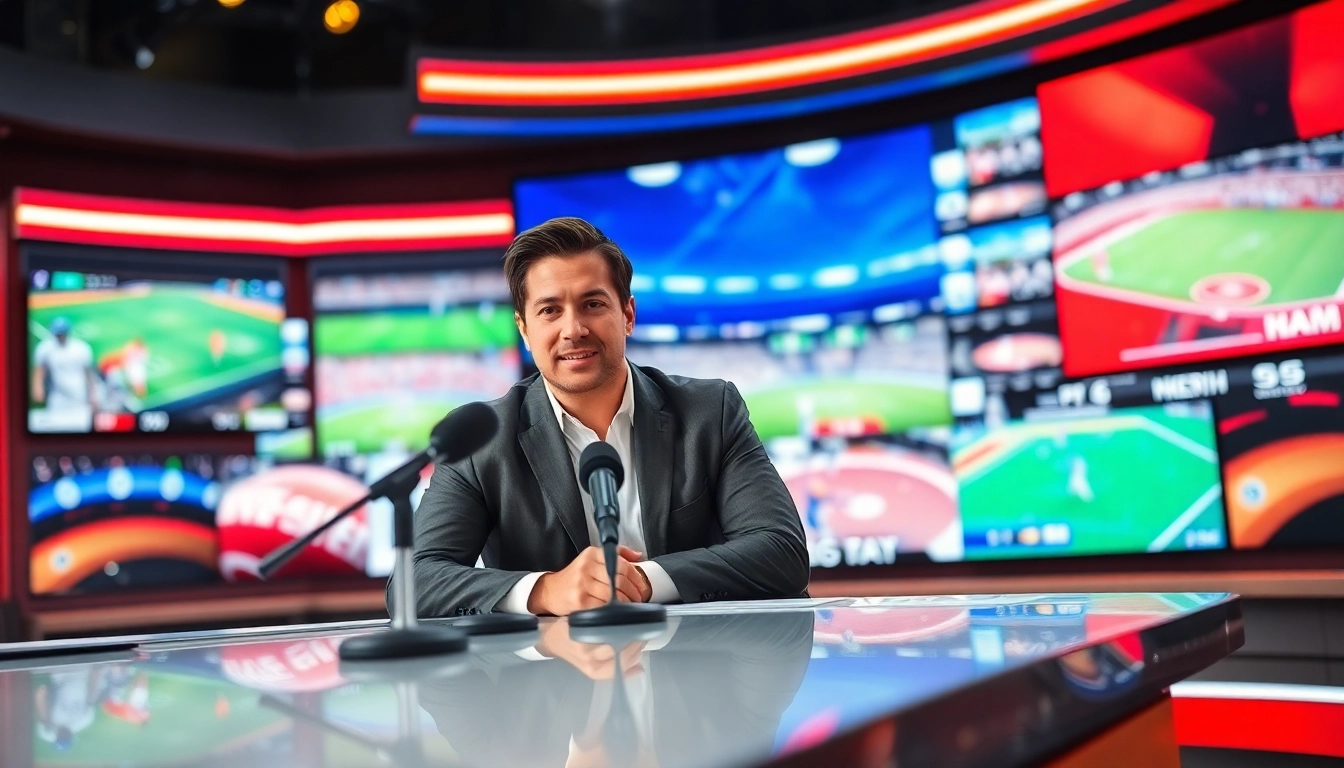
Sports broadcasting is the transmission of sports events via audio or visual media to an audience. This practice serves a dual purpose: entertaining sports enthusiasts and informing viewers of ongoing events. The evolution of technology has significantly enhanced sports programming, allowing broadcasts to reach global audiences simultaneously. With the widespread interest in professional and amateur sports, Sports Broadcasting has emerged as a crucial facet of the entertainment industry, influencing how fans experience their favorite sports.
Key Components of Sports Broadcasting
The success of sports broadcasting relies on several critical components. These include:
- Content Creation: This involves the live coverage of events, interviews, analyses, and commentary.
- Production: It entails employing graphic design, camera angles, and sound engineering to enhance the viewing experience.
- Distribution: This defines how broadcasts reach their audiences via television networks, radio, and streaming services.
- Marketing: Effective marketing strategies are necessary to attract viewers and build a loyal audience.
Types of Sports Broadcasting Channels
Sports broadcasting can be categorized into distinct types, each serving unique purposes and audiences:
- Live Event Broadcasting: Real-time coverage of sporting events, providing viewers with immediate updates and action.
- Sports News Shows: Programs that focus on providing analysis, discussions, and highlights of various sports.
- Documentaries and Features: In-depth visuals exploring athlete profiles, histories, and critical sports moments.
- Streaming Services: Platforms focusing on on-demand views of games and events catering to diverse audience preferences.
Equipment Required for Sports Broadcasting
Essential Gear for Live Broadcasts
Successful sports broadcasts require a variety of equipment, ensuring clear audio and sharp visuals. Essential gear includes:
- Cameras: Professional cameras for capturing high-quality video footage.
- Microphones: High-quality microphones to capture clear audio from commentators and athletes.
- Mixing Consoles: Audio mixers for managing multiple audio sources to ensure coherence and quality.
- Video Switchers: Tools enabling smooth transitions between different camera angles and feeds.
- Obstacles and Lighting: Essential to enhancing visibility and professionalism in broadcasts.
Recommended Software for Sports Analysis
Sports analysts rely on software to evaluate performance and improve broadcasting quality. Recommended programs include:
- Video Analysis Tools: Solutions like Hudl and Dartfish help analysts break down player performance and create insightful snippets.
- Graphics Software: Software such as Adobe After Effects for creating dynamic graphics during broadcasts.
- Streaming Software: Programs like OBS Studio or vMix that help in live-streaming sports events effectively.
Setting Up Your Broadcasting Studio
Creating a conducive broadcasting environment is crucial for optimum output. Essential factors to consider include:
- Location: Ensure a quiet yet accessible space with adequate lighting for video quality.
- Layout: Organize equipment for ease of use and efficient workflow. A well-planned studio enhances production efficiency and comfort.
- Internet Connection: A stable and high-speed connection is vital for seamless broadcasting and communication.
Techniques for Effective Sports Broadcasting
Engaging Your Audience with Commentary
Effective commentary is integral to keeping an audience engaged during broadcasts. Techniques include:
- Storytelling: Incorporate narratives that build emotional connections between fans and players.
- Descriptive Language: Use vivid imagery in descriptions of the action to bring events to life for viewers.
- Dynamic Interaction: Foster interaction through audience questions and opinions for a more inclusive experience.
Utilizing Graphics and Statistics
Visual aids play a significant role in enhancing understanding and engagement:
- Live Stats Integration: Displaying real-time statistics adds depth to the commentary and enhances viewer comprehension.
- Interactive Graphics: Engage viewers by using interactive elements like polls and quizzes related to the event.
- Highlight Reels: Utilize video clips or image sequences to emphasize key moments during the broadcast.
Improving Communication Skills in Broadcasting
Strong communication skills are essential for effective sports broadcasting:
- Clear Articulation: Practicing precise pronunciation and emphasis on keywords improves listener engagement.
- Active Listening: Focus on the flow of dialogue to encourage a more conversational atmosphere.
- Feedback Reception: Be open to critiques to sharpen delivery and presentation.
Challenges in Sports Broadcasting
Technical Difficulties and Solutions
Technical issues can disrupt broadcasts. Common challenges include:
- Equipment Failures: Always have backup equipment on hand and conduct regular maintenance checks to lessen downtime.
- Internet Connectivity Issues: Have alternative connection methods available, such as hot spots, to maintain live feeds.
Managing Live Event Time Pressures
Time management is vital during live broadcasts due to unpredictable events. Consider these strategies:
- Preparation: Develop a comprehensive outline before the event, including possible contingencies.
- Efficiency Training: Train staff in quick decision-making and adaptability during unexpected occurrences.
Fostering Audience Interaction
Engaging your audience is essential, and interactive strategies can help:
- Social Media Integration: Leverage social platforms to share live updates and engage viewers with immediate feedback.
- Q&A Sessions: Allow viewers to submit questions during broadcasts and address them in real-time.
Future Trends in Sports Broadcasting
Impact of Streaming Services on Traditional Broadcasting
The rise of streaming services continues to reshape sports broadcasting. Key effects include:
- Diverse Viewing Platforms: Viewers can access content through various mediums, expanding reach beyond traditional cable.
- On-Demand Content: Audiences appreciate the flexibility of watching matches or events at their convenience, impacting viewer loyalty.
Use of Virtual Reality in Sports Broadcasting
Virtual reality (VR) is revolutionizing viewers’ experiences. Potential trends include:
- Immersive Experiences: VR can create an interactive viewing environment, allowing fans to experience games from the player’s perspective.
- Enhanced Engagement: Incorporating VR elements into broadcasts can stimulate viewer interest and involvement.
Adapting to Changing Audience Preferences
Staying relevant requires broadcasters to adapt to audience demographics and preferences:
- Content Personalization: Tailor broadcasts based on audience interests, suggesting specific games or events for targeted viewers.
- Diverse Programming: Provide a mix of sports content to appeal to various audience tastes and age groups.
Frequently Asked Questions
What is sports broadcasting?
Sports broadcasting refers to the transmission of live or recorded sports events via audio or visual platforms to entertain and inform audiences.
What equipment do I need for sports broadcasting?
Essential equipment includes cameras, microphones, mixing consoles, video switchers, and graphics software for effective production.
How do I improve my audience engagement?
Enhance audience engagement through compelling storytelling, interactive graphics, and incorporating viewer questions and feedback during broadcasts.
What are the challenges of live sports broadcasting?
Challenges include technical difficulties, time management during live events, and maintaining audience interaction throughout the broadcast.
What is the future of sports broadcasting?
The future includes increased use of streaming services, virtual reality experiences, and adaptations to shifting audience preferences for diverse content.