
The Evolution of Digital Pianos: Why the Go 88 Stands Out
The world of music has undergone a dramatic transformation with the advent of digital pianos, which provide musicians with unprecedented versatility and convenience. Among these, the Go 88 has emerged as a notable option, appealing to both beginners and seasoned players alike. Its blend of traditional piano features with modern technological advancements positions it as a strong contender in the digital piano market.
When exploring options, go 88 provides comprehensive insights into the features that make this model a standout choice for musicians today.
Introduction to Digital Pianos and Their Features
Digital pianos offer a wide array of features that cater to the needs of contemporary musicians. These include various sound options, connectivity features, and portability. With advancements such as weighted keys that mimic the feel of acoustic pianos, integrated teaching tools, and a plethora of sound effects, digital pianos are redefining how music is created and performed.
The Go 88, specifically, comes equipped with a full-sized 88-key keyboard, ensuring that players can transition smoothly from traditional pianos. This model supports a multitude of connectivity options such as Bluetooth, allowing users to connect to apps and software that enhance their learning and performance experience.
Comparing the Go 88 with Other Models
The market is saturated with various digital piano models, each boasting unique features and targeting different user segments. For example, the Roland FP-30 and the Yamaha P-125 are popular choices, yet they differ significantly from the Go 88 in terms of portability and functionality.
Whereas the FP-30 is ideal for more experienced players, the Go 88's user-friendly interface and robust sound selection make it more accessible for beginners. Additionally, its lightweight design allows for easy transport, making it an excellent choice for musicians who perform frequently or travel.
Understanding the Technology Behind the Go 88
At the heart of the Go 88's appeal is its sophisticated sound engine, which captures the nuances of acoustic pianos. It employs advanced sampling techniques and digital processing to deliver high-quality sounds, allowing musicians to express their artistry effectively. Moreover, the Go 88 features various sound presets, from classical to contemporary music styles, giving players the flexibility to explore various genres.
Another significant technological feature is the onboard lesson function, which is perfect for beginners looking to develop their skills. This interactive system provides feedback and guidance, making practice sessions more productive.
Essential Techniques for Playing the Go 88
Beginner Tips: Getting Started with the Go 88
For newcomers, the best way to start using the Go 88 is to familiarize themselves with its layout and features. Begin by experimenting with different sounds and settings to find what resonates most with you. Don’t hesitate to utilize the built-in tutorial features, which can guide you through the basics.
Additionally, practicing simple scales and chords can help in getting a feel for the keyboard's responsive touch. It’s important to develop a consistent practice routine to build muscle memory and confidence.
Intermediate Techniques: Enhancing Your Skills
Once a basic understanding of the instrument is established, intermediate players can benefit from exploring more complex chords and progressions. The Go 88 allows for dynamic playing, so focus on varying your touch to create expressive performances.
Incorporating pedals during practice can also enhance your playing technique. Use the sustain pedal to create smoother transitions between notes, which is essential for playing genres like classical and jazz.
Advanced Strategies: Mastering Complex Pieces
For advanced musicians, the Go 88 presents challenges that can help refine technique. Engage in transcribing complex pieces and incorporating them into your practice. This not only improves your skill set but also allows for greater creativity in interpretation.
Furthermore, consider recording your practices and performances using digital audio workstations (DAWs) connected via the Go 88's output. This way, you can listen back and critique your playing, helping you to identify areas for improvement.
Creating Music with the Go 88: A Step-by-Step Guide
Setting Up Your Digital Studio with the Go 88
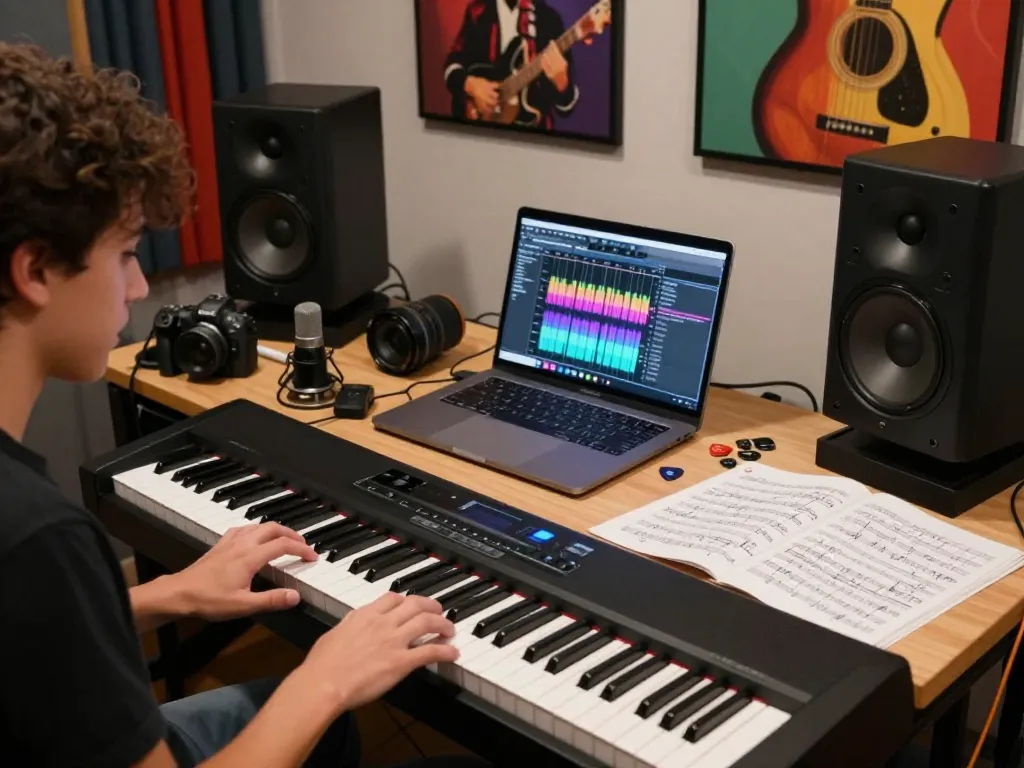
To create a conducive environment for music production, it's essential to set up a digital studio that complements the Go 88. This includes a computer with a reliable DAW, audio interface, and studio monitors. Ensure that your Go 88 is properly connected for optimal sound output.
Additionally, utilizing MIDI connectivity opens doors for composing music digitally, allowing you to explore intricate arrangements and layers.
Using Music Software to Enhance Performance
Integrating music software can significantly enhance the Go 88's capabilities. Programs like Ableton Live or GarageBand provide extensive tools for recording, mixing, and editing music. Familiarize yourself with these tools to take full advantage of the Go 88's potential.
Utilizing virtual instruments within these DAWs can add diverse layers to your compositions, showcasing the versatility of the Go 88.
Recording and Producing Your Music with the Go 88
When recording your music, focus on capturing the nuances of your performance. The Go 88's sound engine is designed to produce high-fidelity sounds, so make sure to record in a quiet environment to minimize background noise.
Experiment with different microphone placements and settings when recording your outputs, as this can drastically affect the overall quality of your music.
Common Challenges When Using the Go 88 and How to Overcome Them
Technical Issues: Troubleshooting Your Digital Piano
Even the finest digital pianos may encounter technical issues. Users may find themselves facing connectivity problems or sound quality inconsistencies. Regularly updating the piano’s firmware and ensuring all connections are secure can help mitigate these issues.
Additionally, consulting the user manual for troubleshooting steps can be invaluable in educating oneself about the Go 88’s technical needs.
Performance Anxiety: Managing Stress During Live Shows
Performance anxiety is common among musicians, but practicing effective techniques can alleviate these feelings. Create a routine before shows, including warm-ups and breathing exercises, to calm nerves and boost confidence.
Additionally, performing for friends or family can help simulate the pressure of live shows and build comfort with playing in front of an audience.
Finding Your Unique Sound: Style Adaptation Techniques
It's essential to develop a unique sound that reflects your musical personality. Don’t hesitate to experiment with different playing styles and genres. The Go 88’s versatile sound engine allows players to explore various musical landscapes, fostering creativity.
Engaging with other musicians, whether in person or through online platforms, can also inspire and influence your sound, pushing you to adapt and grow.
Future Trends in Digital Pianos: What’s Next for the Go 88?
Emerging Technologies and Innovations in 2026
As technology continues to evolve, so do digital pianos. The future may bring innovations such as enhanced AI capabilities within instruments, allowing for personalized learning experiences. Moreover, advancements in sound quality and sampling techniques will likely make digital pianos even closer to their acoustic counterparts.
Predictions for Digital Music Creation Tools
With the rise of online collaborations and virtual performances, music creation tools are expected to become more intuitive and user-friendly. The Go 88 will likely integrate even more software options and connectivity features to keep pace with these trends.
Staying Ahead: The Importance of Continuous Learning
As the music industry transforms, the need for continuous learning becomes increasingly critical. Musicians should take advantage of online courses and workshops to stay informed about new techniques and technologies related to their instruments.
By doing so, players not only enhance their skills but also remain relevant in an ever-changing musical landscape.
What makes the Go 88 different from traditional pianos?
The Go 88 differs from traditional pianos primarily in its portability, sound customization, and technological integration. While traditional pianos offer rich acoustic sounds, the Go 88 provides a versatile range of sounds and features that enhance playing and learning experiences.
Can I use the Go 88 for live performances?
Yes, the Go 88 is designed for portability and ease of use, making it suitable for live performances. Its lightweight build allows for easy transport, and its diverse sound options cater to a variety of musical styles.
What software is best for recording with the Go 88?
Popular software options for recording include Ableton Live, Logic Pro, and GarageBand. Each provides a range of features that can enhance your music production experience with the Go 88.
Are there specific genres suited for the Go 88?
The Go 88 is versatile enough to handle a variety of genres, including classical, pop, jazz, and electronic music. Musicians can exploit its wide range of sounds to create unique compositions across different styles.
How can I maintain my Go 88 digital piano?
Maintaining the Go 88 involves keeping it clean and ensuring regular software updates. It’s also important to handle it carefully to avoid any physical damage, especially during transport.