
Understanding the Concept of a Man Club
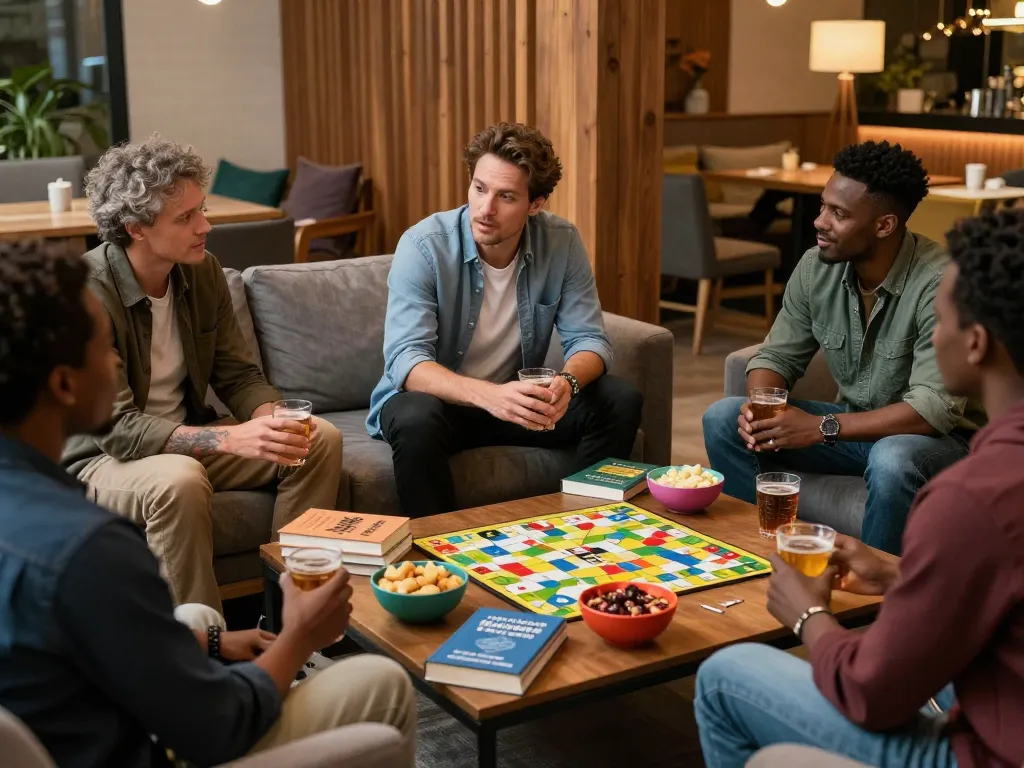
The term “man club” evokes a variety of images and interpretations, often rooted in the idea of male bonding, support, and personal development. In today’s fast-paced world, where men frequently face societal pressures and mental health challenges, the concept of a man club serves as a crucial refuge—a space where men can come together to share experiences, seek advice, and cultivate friendships. These clubs can range from casual meet-ups in local cafes to more structured gatherings aimed at personal growth and emotional support. When exploring options, man club platforms may provide comprehensive insights into local chapters and activities.
What Defines a Man Club?
A man club is primarily defined by its focus on men’s issues, with an emphasis on creating a supportive environment. Typically, members engage in discussions that revolve around topics like mental health, masculinity, relationships, and personal development. Unlike traditional gentlemen’s clubs, which often emphasize exclusivity and leisure, modern man clubs prioritize openness and inclusivity, encouraging men of all backgrounds to participate and share their perspectives.
The History and Evolution of Man Clubs
Historically, clubs specifically for men emerged as social spaces primarily in the Victorian era, often characterized by exclusivity and a rigid class structure. However, as societal norms evolved, so did the purpose of these clubs. The emergence of mental health awareness and the importance of emotional expression led to a transformation in the concept of man clubs, particularly in the late 20th and early 21st centuries. Today, these clubs are often community-driven, aiming to dismantle the stigma surrounding male vulnerability and fostering a culture of communication.
Modern Perspectives on Male Gatherings
Today’s man clubs are reshaping masculinity by promoting emotional awareness and connection. They serve as safe havens for men to discuss personal challenges openly, whether they relate to mental health, relationships, or professional struggles. Modern man clubs often incorporate group activities, workshops, and outreach programs, enabling members to connect and grow in a supportive environment.
Benefits of Joining a Man Club
Participating in a man club offers myriad benefits, addressing both emotional and social needs that many men may not fulfill otherwise. These benefits extend beyond mere friendship; they encapsulate emotional well-being and personal growth through community support.
Enhancing Mental Health through Community
Research increasingly highlights the importance of community in enhancing mental health. For many men, traditional norms discourage seeking help or expressing emotions. Man clubs provide a counter-narrative, offering a supportive space where men can communicate their struggles. Such environments have been proven to reduce feelings of isolation and anxiety, fostering better mental health holistically.
Building Lifelong Friendships
The bonds formed in man clubs can lead to lifelong friendships that extend beyond scheduled meetings. Through shared experiences and mutual support, members often find a deeper connection with one another that enriches their personal lives. This camaraderie can be particularly vital during challenging life transitions, such as divorce, career changes, or the loss of a loved one.
Support Networks for Personal Growth
Many man clubs focus on personal development, organizing workshops and discussions centered on skills like communication, leadership, and emotional intelligence. Members often share resources, advice, and encouragement, helping one another navigate personal challenges while cultivating a stronger sense of self-awareness and confidence.
Creating a Welcoming Environment in Your Man Club
Establishing a supportive and inviting atmosphere is essential for the success of a man club. The environment not only influences participation but also affects the quality of interactions among members.
Designing an Inviting Space
Whether meeting in a dedicated space or a casual setting, the physical environment should promote comfort and openness. Consider incorporating cozy seating arrangements, sufficient lighting, and perhaps even refreshments to create an inviting atmosphere that encourages participation.
Establishing Ground Rules for Respect and Openness
Ground rules are vital to fostering a respectful and open environment. Encourage members to listen actively and share their thoughts without fear of judgment. Establishing guidelines around confidentiality can also help create a safe space for sharing intimate feelings and experiences.
Incorporating Activities that Foster Connection
Activities play a crucial role in breaking the ice and forging connections among members. Incorporating team-building exercises, discussion groups, and even recreational outings can enhance the camaraderie within the club. Such activities provide opportunities for members to bond over shared experiences while promoting a sense of belonging.
Challenges Faced by Man Clubs Today
While man clubs offer numerous advantages, they also face several challenges, including societal stigmas, diversity issues, and maintaining member engagement.
Overcoming Stigmas Associated with Male Vulnerability
Despite growing acceptance, many men still feel societal pressure to project toughness and emotional stoicism. Man clubs must actively work to challenge these stigmas by promoting open dialogue about vulnerability and emotional expression. By fostering a culture of understanding and acceptance, clubs can help reshape perceptions of masculinity.
Addressing Diversity and Inclusion within the Group
Diversity is essential for enriching discussions and broadening perspectives within man clubs. Embracing members from various backgrounds—whether cultural, ethnic, or socio-economic—can lead to deeper connections and a more comprehensive understanding of masculinity. Encouraging inclusivity involves not only welcoming diverse members but also creating an atmosphere where their voices are heard and valued.
Maintaining Engagement and Membership Growth
Ensuring active participation and growth within a man club can be a challenge. Clubs should routinely evaluate their programs and seek feedback from members to adapt to their needs and interests. Regular events, activities, and outreach initiatives can also help maintain engagement and attract new members.
Future Trends for Man Clubs in 2026 and Beyond
The future of man clubs will likely be influenced by ongoing changes in societal norms, technology, and mental health awareness.
Digital Community Building and Online Platforms
As technology advances, the opportunity for digital engagement will expand. Online platforms can serve as valuable tools for fostering community and connection, particularly for those unable to attend physical meetings. Virtual discussions, webinars, and social media groups can enhance member interactions while reaching a broader audience.
Incorporating Wellness Programs and Workshops
Future man clubs may increasingly focus on wellness, integrating programs that promote physical health alongside mental health. Workshops centered on fitness, nutrition, and mindfulness can complement the emotional support offered, helping members lead balanced lives.
Adapting to Changing Social Norms and Expectations
As societal views on masculinity and gender roles continue to evolve, man clubs must adapt to these changes. This may involve addressing topics such as gender fluidity and allyship, ensuring the club remains relevant and inclusive for all men, regardless of their identity.
How to Find or Start a Man Club Near You?
Finding or starting a man club can begin with a simple online search or community outreach. Local community centers, churches, or social media platforms may already have established groups you can join. If you’re keen on starting your own, begin by identifying potential members, establishing a clear purpose, and deciding on regular meeting times and locations.
What Activities Are Commonly Hosted in Man Clubs?
Typical activities within man clubs can vary widely, including:
- Group discussions on various topics
- Workshops focused on personal development
- Outdoor activities, such as hiking or sports
- Social events, including barbecues and game nights
- Volunteering opportunities to foster community engagement
How Can a Man Club Support Mental Health Initiatives?
Man clubs can play a significant role in supporting mental health initiatives by partnering with local organizations, hosting awareness events, and providing resources for members in need. By facilitating discussions on mental health and offering platforms for seeking help, these clubs can actively contribute to breaking down barriers and stigma.
What Resources Are Available for Man Club Leaders?
Leaders of man clubs have access to various resources, including online training programs, community organization support, and networking opportunities with other clubs. Local mental health organizations can also provide valuable guidance for developing programs that address men’s health and well-being.
Are Man Clubs Only for Men, or Are They Inclusive?
While the term “man club” suggests a focus on men, many clubs are working towards inclusivity, welcoming individuals of all gender identities. This shift reflects broader societal changes and acknowledges that discussions around masculinity and men’s issues can benefit from diverse perspectives.